
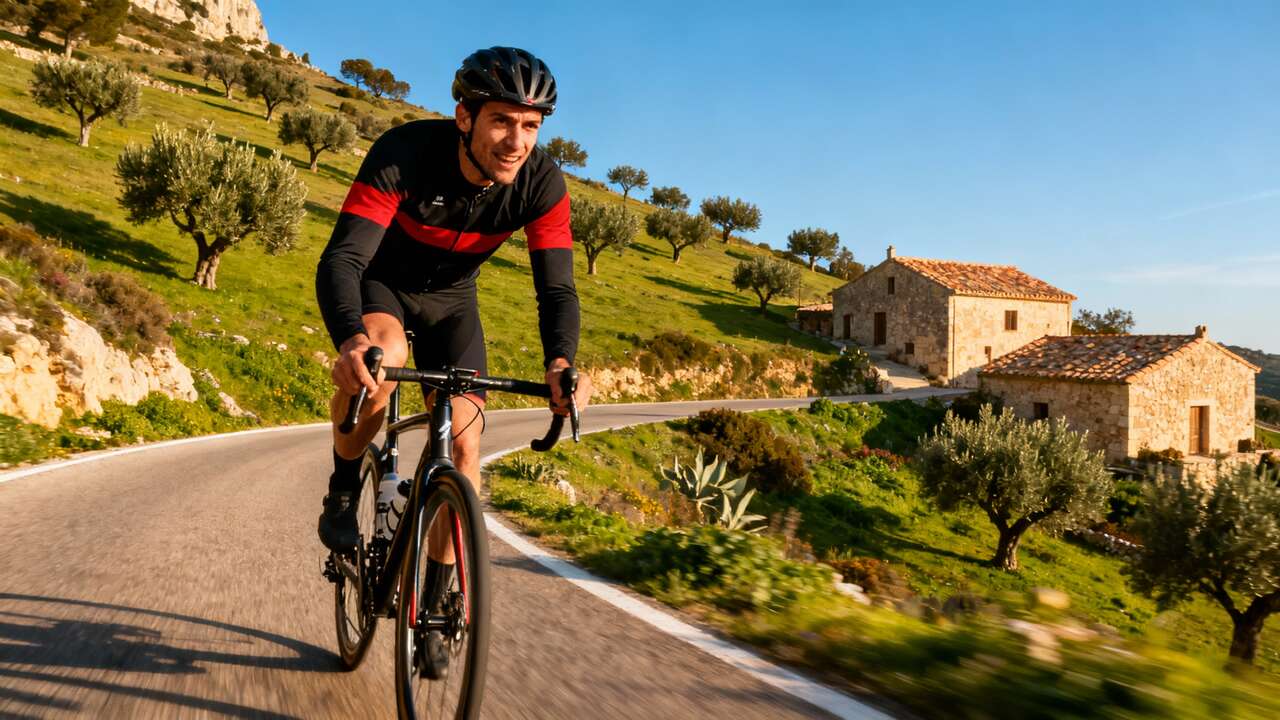

While northern Europe shivers under a blanket of gray skies and biting winds, a different scene unfolds on a sun-drenched island in the Mediterranean. Here, the quiet hum of high-performance hubs and the rhythmic breathing of cyclists replace the usual winter silence. Mallorca, long known as a summer holiday hotspot, has cultivated a second identity as the undisputed winter training ground for Europe’s cycling elite and dedicated amateurs alike. Its roads, from serpentine mountain passes to placid coastal flats, become a sanctuary for those unwilling to let their form hibernate through the colder months.
The Mecca of winter European cycling
The island’s reputation as a premier cycling destination is not a recent phenomenon but the result of decades of organic growth, attracting a diverse crowd from professional teams to weekend warriors. During the winter, when cycling opportunities dwindle elsewhere, Mallorca’s activity ramps up, creating a unique atmosphere of shared purpose and passion on its roads.
A convergence of professionals and amateurs
From January to March, the island’s roads are a veritable who’s who of the cycling world. It’s common to see world tour teams conducting their pre-season training camps, their colorful convoys a familiar sight against the green landscape. This professional presence has a magnetic effect, drawing in ambitious amateurs and club riders eager to test themselves on the same tarmac. The result is a vibrant, motivating environment where cyclists of all levels can find inspiration. The island becomes a melting pot for:
- Professional teams seeking ideal conditions for structured training blocks.
- Cycling clubs from across Europe organizing group training holidays.
- Individual enthusiasts looking to escape the turbo trainer and ride in the sun.
- Beginners dipping their toes into the world of cycling tourism.
Why winter is the prime season
The concept of an “off-season” is redefined in Mallorca. While summer brings scorching heat and tourist-heavy traffic, winter offers a cyclist’s paradise. The cooler temperatures are perfect for long hours in the saddle, and the significantly reduced traffic on many key routes makes for a safer and more enjoyable experience. This seasonal shift transforms the island’s character, prioritizing athletic pursuits over leisurely tourism.
| City | Average January Temperature | Average January Sunshine Hours/Day |
|---|---|---|
| Palma de Mallorca | 54°F (12°C) | 5 |
| London, UK | 41°F (5°C) | 2 |
| Berlin, Germany | 36°F (2°C) | 2 |
| Amsterdam, Netherlands | 40°F (4.5°C) | 2 |
The data clearly illustrates the climatic advantage that makes Mallorca an obvious choice for winter training. This favorable weather, combined with the challenging terrain, provides the perfect formula for building early-season fitness.
Natural advantages of Mallorca for cyclists
Beyond its welcoming climate, the island’s very geology seems custom-made for cycling. Its compact size belies an astonishing variety of landscapes, allowing riders to simulate nearly any race condition, from grueling alpine stages to fast and flat sprints, often within a single day’s ride.
The Serra de Tramuntana: a climber’s paradise
The island’s backbone is the Serra de Tramuntana, a formidable mountain range that stretches along the northwest coast. A UNESCO World Heritage site, its dramatic limestone peaks and plunging sea cliffs provide a stunning backdrop for some of Europe’s most iconic climbs. The roads here are masterpieces of engineering, with smooth surfaces and consistent gradients that are challenging yet manageable. This area is where riders come to build strength and endurance, testing their limits on legendary ascents.
The central plain and rolling coastlines
In stark contrast to the rugged mountains, the island’s interior, known as Pla de Mallorca, is a vast, flat agricultural plain. This region is crisscrossed by a network of quiet country lanes, or “camís,” that are perfect for endurance rides, interval training, or recovery spins. These routes wind through almond groves, vineyards, and sleepy stone villages, offering a peaceful escape. The eastern and southern coastlines offer a third type of terrain, with rolling hills and breathtaking coastal roads that provide a perfect middle ground between the flats and the high mountains.
This topographical trifecta ensures that no two rides are ever the same and that training can be precisely tailored to specific goals. The ability to easily mix and match different types of terrain is a key factor in the island’s appeal.
Mallorca’s secret roads
While the famous climbs draw the headlines, a significant part of Mallorca’s charm lies in its hidden network of secondary roads. These less-traveled routes offer a more authentic glimpse into the island’s rural heart, providing a quiet sanctuary away from the more popular cycling corridors and allowing for true exploration.
Discovering the “camís” of the interior
The agricultural heartland of the island is threaded with hundreds of narrow farm roads, many of which are beautifully paved and see almost no vehicle traffic. Exploring these lanes is like stepping back in time. Riders can create endless loops connecting picturesque villages like Sineu, Petra, and Algaida. These routes are not just for recovery; they are ideal for focusing on consistent, uninterrupted effort. Key characteristics of these roads include:
- Low traffic volume, enhancing safety and tranquility.
- Generally flat or gently rolling profiles.
- Passage through authentic Mallorcan countryside and villages.
Lesser-known coastal and mountain routes
Even within the popular Serra de Tramuntana, there are quieter alternatives to the main thoroughfares. Roads like the climb to the Ermita de Betlem in the east or the route from Andratx to Estellencs in the west offer all the scenic beauty with a fraction of the traffic. These routes often feature more challenging gradients and narrower tracks, rewarding the adventurous cyclist with solitude and spectacular, unspoiled views. Seeking out these hidden gems is essential for anyone looking to understand the full depth of what Mallorcan cycling has to offer.
Venturing onto these quieter paths provides a different kind of training, one that builds not just physical strength but also a deeper connection to the island’s landscape, a benefit many professional riders have come to appreciate.
Training routes preferred by professionals
The island is a training circuit, and certain routes have achieved legendary status, becoming benchmark tests of form for professionals and ambitious amateurs. These roads combine stunning scenery with the kind of physical challenge needed to forge race-winning condition.
The iconic Sa Calobra
Perhaps the most famous road in Mallorca, Sa Calobra is an engineering marvel. The route doesn’t lead to a town or a summit but descends spectacularly to a tiny port. This means the real work is the climb back out. Its 26 hairpin bends packed into just 10 kilometers make it a unique test of climbing rhythm and cornering skill. Because you must ride down to ride up, it serves as a singular, focused effort that can’t be cut short.
The “big daddy”: Puig Major
As the highest paved road on the island, the climb to the Túnel de Monnàber on Puig Major is the longest and most sustained ascent available. Typically ridden from the town of Sóller, it’s a 14-kilometer grind that is a staple of any serious training week. Its steady gradient is perfect for threshold efforts and is used by teams to gauge their climbers’ fitness. The descent on either side is equally famous, offering fast, sweeping corners for honing handling skills.
| Climb | Length | Average Gradient | Elevation Gain |
|---|---|---|---|
| Sa Calobra | 9.4 km | 7% | 670 m |
| Puig Major (from Sóller) | 14 km | 6.2% | 828 m |
| Cap de Formentor | 18.5 km (one way) | 3% (rolling) | ~400 m |
Beyond these, the ride to the lighthouse at Cap de Formentor is another favorite. It’s not a single climb but a constantly undulating road with breathtaking cliffside views, perfect for simulating the demands of a classic one-day race. Mastering these key routes is a rite of passage, but they are supported by an equally impressive network of services.
Taking advantage of the island’s cycling infrastructure
Mallorca’s status as a cycling hub is cemented by its outstanding infrastructure, which is entirely geared towards accommodating the needs of cyclists. From specialized hotels to a plethora of high-end rental shops and cafes, every aspect of a training trip is made seamless and efficient.
Cycle-friendly accommodation
A whole industry of “cycle-friendly” hotels has emerged, particularly in northern hubs like Port de Pollença and Alcúdia. These establishments go far beyond simply allowing bikes. They offer dedicated facilities that are crucial for a serious training camp, such as:
- Secure, locked bike storage rooms.
- On-site workshops with tools, pumps, and cleaning stations.
- Customized meal plans with flexible dining times to accommodate long rides.
- In-house mechanics and massage services.
This level of support allows riders to focus completely on their training and recovery.
Rental services and cycling cafes
For those who prefer not to travel with their own bike, Mallorca boasts an incredible number of rental shops offering the latest high-end carbon road bikes. This convenience is a major draw. Furthermore, a distinct cycling cafe culture has blossomed. Establishments in towns like Alaró, Petra, and Sineu have become essential social hubs and refueling stops, serving great coffee and cyclist-friendly food to a lycra-clad clientele. These cafes are more than just a place for a break; they are part of the very fabric of the island’s cycling scene.
This comprehensive support system ensures that whether you are a solo traveler or part of a large team, every logistical need is met, allowing you to maximize your time on the bike. But even the most dedicated cyclist needs a day off the bike to explore.
Exploring Mallorca beyond cycling
While the bike is the main attraction, Mallorca’s appeal extends far beyond its roads. Taking a rest day to explore the island’s rich culture, history, and natural beauty is not just a break for the legs, but an essential part of the experience that enriches any training trip.
The culture and cuisine of Palma
The island’s capital, Palma, is a vibrant city with a stunning Gothic cathedral, a maze of historic old-town streets, and a bustling waterfront. It’s a perfect destination for a rest day, offering a complete change of pace. Visitors can explore the impressive art galleries, browse the boutique shops, or indulge in the local gastronomy. The city’s food scene is a highlight, from traditional tapas bars in the La Lonja district to modern restaurants serving innovative Mediterranean cuisine.
Beaches and natural parks
Even in winter, the island’s coastline is spectacular. While it might be too cool for swimming, the hundreds of “calas” (coves) with their turquoise waters and white sand are perfect for a relaxing walk. For a non-cycling outdoor activity, the Parc Natural de Mondragó on the southeast coast offers beautiful walking trails through pine forests and wetlands. Exploring these natural spaces provides a fresh perspective on the island’s diverse environment and a welcome mental reset before the next big day of training.
Embrace the island’s diverse offerings. Discover its world-class climate and varied terrain, from the challenging Serra de Tramuntana to the tranquil inland plains. Utilize the superb, cyclist-focused infrastructure of hotels and rental services. See for yourself why Mallorca is the essential winter destination for building form and experiencing a true cycling culture.
- This Central American country is the new Costa Rica - 1 November 2025
- This “floating” sauna in a Norwegian fjord is the ultimate Scandi experience - 1 November 2025
- Why this small US town is the “Christmas Capital” of America - 1 November 2025
Pubblicazioni simili :
 This national park is home to the world’s most beautiful frozen waterfalls
 Forget Iceland: This Canadian territory has better Northern Lights
 Experience the Freshest Lobster Straight from the Boat in This Quaint Maine Fishing Village
 Discover Florida’s Crystal-Clear Springs: a Hidden Paradise Beyond the Beaches