
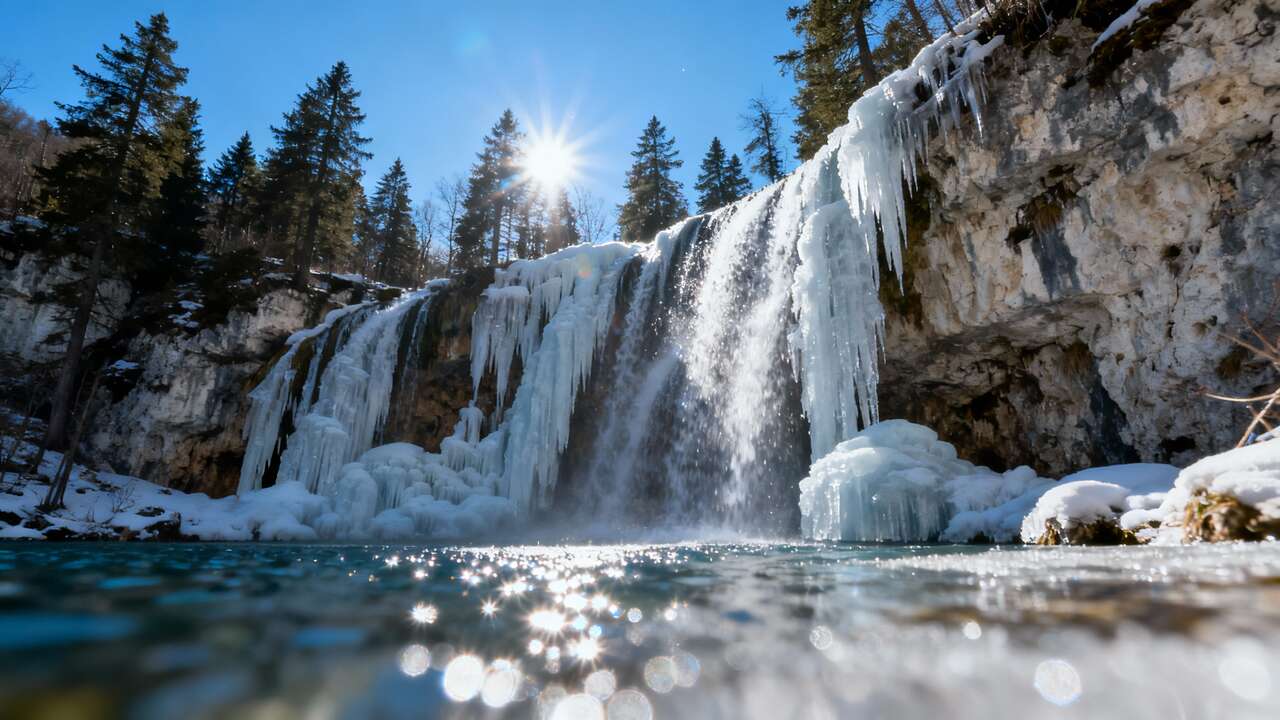

In the heart of Croatia, a landscape of cascading water and turquoise lakes undergoes a profound transformation each winter. Plitvice Lakes National Park, a celebrated UNESCO World Heritage Site, sheds its vibrant summer cloak for a crystalline armor of ice and snow. Here, the thunderous roar of over 90 waterfalls softens to a silent, frozen spectacle, creating a winter wonderland that few of the millions who visit annually ever get to witness. This is not the Plitvice of postcards, but a more serene, starkly beautiful version, where nature’s artistry is displayed in the delicate filigree of ice that encases every rock and branch.
Discovering Plitvice Lakes
An overview of the park
Established in 1949 and granted UNESCO World Heritage status three decades later in 1979, Plitvice Lakes National Park is a cornerstone of Croatia’s natural heritage. The park covers a vast area of approximately 121 square miles, a protected ecosystem renowned for its chain of 16 terraced lakes. These lakes are interconnected by a series of waterfalls and cascades that are in a constant state of evolution. The park is a mosaic of lush forests, shimmering water, and unique geological formations, drawing visitors from around the globe to its wooden boardwalks that meander just above the water’s surface.
The upper and lower lakes
The park is geographically divided into two main sections: the Upper Lakes and the Lower Lakes. Each offers a distinct experience. The Upper Lakes are a series of 12 larger lakes nestled in a dolomite valley, surrounded by dense forests and characterized by gentler, more numerous cascades. The Lower Lakes, consisting of four smaller and shallower lakes, are situated in a limestone canyon. It is here that the park’s most dramatic feature is found: the Great Waterfall, or Veliki Slap. At 78 meters, it is the highest waterfall in Croatia, and its powerful plunge is a sight to behold in any season.
- Upper Lakes: Characterized by dolomite rock, lush forests, and numerous interconnected cascades. They are generally larger and have a more serene atmosphere.
- Lower Lakes: Located in a limestone canyon, featuring smaller lakes, steep cliffs, and the impressive Great Waterfall.
Navigating the park
Exploration of Plitvice is made accessible through a well-maintained network of trails and wooden footbridges that crisscross the lakes. A typical visit lasts between four and five hours, allowing time to absorb the scenery. To manage the vast distances, the park operates a panoramic train and quiet electric boats that ferry visitors across the largest lake, Kozjak. These transport systems are designed to minimize environmental impact while providing breathtaking views and access to different trailheads, ensuring a comprehensive experience of this aquatic marvel.
Understanding the park’s intricate layout is one thing, but delving into how this complex system of lakes and dams came to be reveals a geological story that has been unfolding for thousands of years, shaped by both natural processes and human history.
History and geology of the lakes
The travertine phenomenon
The magic of Plitvice lies in a remarkable natural process involving the formation of travertine, a type of limestone. As water rich in dissolved calcium bicarbonate flows over moss, algae, and bacteria, it releases carbon dioxide. This chemical reaction causes calcium carbonate to precipitate and deposit onto the submerged vegetation and rocks. Over millennia, these deposits have built up to form porous natural dams, known as tufa or travertine barriers. It is these ever-growing barriers that have created the lakes, waterfalls, and caves that define the park’s dynamic landscape. This process of biodeposition is ongoing, meaning the park’s appearance is constantly, albeit slowly, changing.
A turbulent human history
Beyond its geological significance, the Plitvice region holds a poignant place in modern Croatian history. The serene beauty of the park belies a more turbulent past. In March 1991, the area became the site of the Plitvice Lakes incident, an armed clash that is often cited as the event where the first shots of the Croatian War of Independence were fired. For several years, the park was held by rebel forces before being peacefully reintegrated. Today, visiting Plitvice is not only an encounter with natural splendor but also a moment to reflect on the region’s resilience and complex historical narrative.
This geological marvel is not a static entity; it is continuously shaped and reshaped by the region’s distinct and often dramatic climate, which dictates everything from the rate of travertine growth to the park’s seasonal transformations.
The unique climate of Plitvice
A meeting of two climates
Plitvice National Park is situated at a climatic crossroads, where the mild, maritime climate of the Adriatic coast meets the harsher continental climate of the interior. This convergence results in a unique microclimate characterized by warm summers, cool springs and autumns, and long, cold, snowy winters. The significant precipitation throughout the year is crucial for the lake system, feeding the waterfalls and fueling the travertine-building process. This blend of influences creates a dynamic environment where weather conditions can shift rapidly, offering a different experience with each passing season.
Seasonal transformations
The park’s appearance changes dramatically throughout the year, making it a destination worth visiting multiple times. While summer brings lush greenery and attracts the largest crowds, autumn paints the landscape in fiery hues of red and gold. However, it is winter that offers the most striking transformation, when freezing temperatures blanket the park in snow and ice. This seasonal shift is a key part of the Plitvice experience.
Seasonal Climate Overview at Plitvice Lakes
| Season | Average Temperature (Fahrenheit) | General Conditions |
|---|---|---|
| Spring (April-May) | 45°F – 60°F | Water levels are high from melting snow; waterfalls are powerful. |
| Summer (June-August) | 65°F – 80°F | Warm and sunny; peak tourist season with lush vegetation. |
| Autumn (September-October) | 50°F – 65°F | Cooler temperatures; stunning fall foliage and fewer crowds. |
| Winter (November-March) | 25°F – 40°F | Cold with significant snowfall; lakes and waterfalls may freeze. |
The park’s specific climatic conditions not only sculpt the landscape but also create a perfect environment for a rich and varied tapestry of life, supporting an ecosystem of remarkable diversity.
Biodiversity and endemic species
A haven for flora
The forests of Plitvice are a critical component of its ecosystem, covering more than three-quarters of the park. They are primarily composed of beech, fir, and spruce trees, with some areas representing pristine, old-growth forests. The park is a sanctuary for a wide variety of plant life, including numerous protected and endemic species. In the spring, the forest floor and meadows come alive with wildflowers, including the rare lady’s slipper orchid. This botanical diversity is integral to the health of the park, providing habitat and sustenance for its animal inhabitants.
The park’s fauna
Plitvice is a vital refuge for a wide range of wildlife, much of which is rare or endangered elsewhere in Europe. The park’s large, uninterrupted forests provide an ideal habitat for large mammals. Visitors with a keen eye and a bit of luck might spot signs of its most famous residents. The clean waters of the lakes also support healthy populations of fish, amphibians, and invertebrates, which are crucial to the travertine formation process.
- Mammals: The park is home to a stable population of European brown bears, gray wolves, Eurasian lynx, deer, and wild boar.
- Birds: Over 160 bird species have been recorded, including the Ural owl, white-backed woodpecker, and peregrine falcon.
- Aquatic Life: The lakes are inhabited by several species of fish, notably the brown trout, and a variety of crayfish.
While this vibrant ecosystem thrives throughout the warmer months, winter ushers in a period of quiet majesty, transforming the park’s most dynamic features into breathtaking sculptures of ice.
Frozen waterfalls: natural spectacles
The science of the freeze
When winter’s grip tightens and temperatures consistently drop far below freezing, the ceaseless motion of Plitvice’s waterfalls begins to slow. The transformation into ice is a gradual process. First, a delicate mist freezes onto the surrounding rocks and vegetation, creating a frosty white frame. As the cold persists, layers of ice build upon one another, thickening until parts of the cascade, or in some cases the entire waterfall, are frozen solid. The result is a stunning collection of natural ice sculptures, with massive icicles hanging like organ pipes and the water’s flow captured in a silent, crystalline form.
Iconic frozen sights
Witnessing the Great Waterfall in its frozen state is an unforgettable experience. What is normally a deafening torrent of water becomes a monumental wall of blue and white ice, a silent giant dominating the canyon. The smaller cascades of the Upper Lakes also offer a magical sight, with each terrace and tufa dam adorned with intricate ice formations. The wooden boardwalks, covered in a layer of crisp snow, lead visitors through a landscape that feels otherworldly, where the only sounds are the crunch of snow underfoot and the whisper of the wind.
A photographer’s paradise
For photographers, Plitvice in winter is a dream. The low sun creates a soft, ethereal light, and the contrast between the dark, unfrozen water, the white snow, and the translucent blue ice offers endless compositional possibilities. The lack of crowds provides an opportunity for patient, uninterrupted shooting, allowing for the capture of truly unique and powerful images of nature’s raw, frozen beauty. It is a challenging environment, but one that rewards the prepared artist with spectacular results.
Capturing these ephemeral icy masterpieces is a rewarding experience, but a successful visit during this challenging season requires careful planning and an awareness of the park’s winter conditions.
Tips for visiting Plitvice in winter
Planning your trip
A winter visit to Plitvice requires more preparation than a summer one. It is essential to check the park’s official website before you go, as access can be limited. Typically, the Upper Lakes section is closed to visitors from November to March due to snow and ice, but the Lower Lakes remain accessible and offer more than enough stunning scenery. While tickets may not sell out as quickly as in summer, it is still wise to purchase them online in advance to guarantee entry. Finally, monitor the weather forecast closely, as conditions can change rapidly.
What to wear and bring
Dressing appropriately is crucial for a safe and comfortable visit. The key is layering, as this allows you to adjust to changing temperatures. Proper footwear is non-negotiable; insulated, waterproof hiking boots with excellent grip are a must. In icy conditions, attaching crampons or ice cleats to your boots can provide essential stability on the wooden boardwalks, which can become very slippery.
- Clothing: Wear a thermal base layer, a fleece or wool mid-layer, and a waterproof and windproof outer jacket and pants.
- Footwear: Insulated, waterproof boots are essential. Consider bringing microspikes or crampons for ice.
- Accessories: A warm hat, gloves, and a scarf are necessary. Sunglasses are also important to protect against sun glare off the snow.
- Supplies: Pack a thermos with a hot drink, some high-energy snacks, and a fully charged phone and camera.
Safety considerations
Safety should be your top priority. Always stay on the marked trails and boardwalks. Straying from the path can be dangerous, especially with deep snow hiding uneven ground or the edges of the lakes. Be mindful of your footing at all times, as ice can be hidden under a thin layer of snow. Park staff work to keep the main paths clear, but conditions can change quickly. By being prepared and cautious, you can fully enjoy the unique and serene beauty of a winter expedition to Plitvice.
Plitvice Lakes National Park truly is a destination for all seasons. Its geological wonders, rich history, and vibrant biodiversity are captivating at any time of year. Yet, it is in the quiet cold of winter that the park reveals a different kind of magic, transforming its famous waterfalls into silent, spectacular monuments of ice. This serene and uncrowded experience offers a unique perspective on one of Europe’s greatest natural treasures, proving that its beauty is not diminished by the cold but is instead cast in a new, breathtaking light.

- This Central American country is the new Costa Rica - 1 November 2025
- This “floating” sauna in a Norwegian fjord is the ultimate Scandi experience - 1 November 2025
- Why this small US town is the “Christmas Capital” of America - 1 November 2025
Pubblicazioni simili :
 Discover the Hidden Gem Near Miami That Feels Like a World Away
 Explore the Haunting Beauty and Unforgettable Adventure of America’s Loneliest Road in Autumn
 Why You Can’t Miss Colorado’s “Golden Rush” Autumn Spectacle This Year
 Discover the Best Fall Foliage in Upstate New York: just a 3-Hour Drive Away