
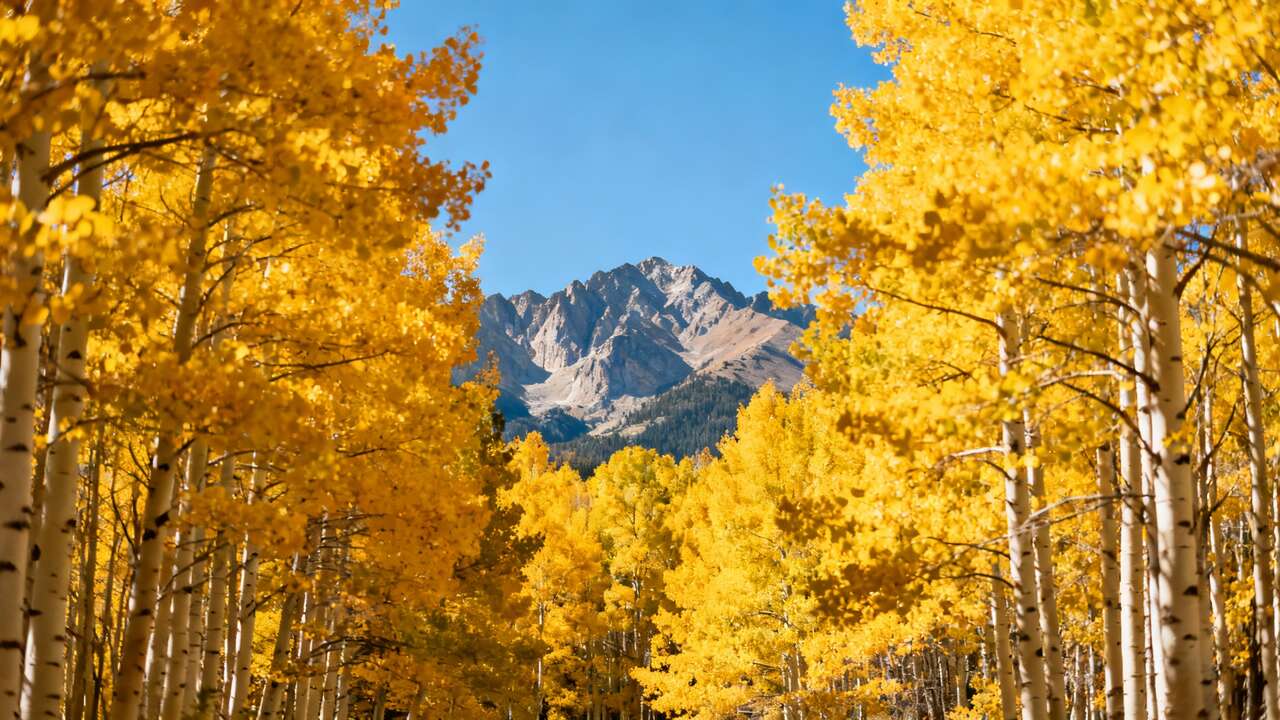

Each year, as cooler air settles over the Rocky Mountains, a remarkable transformation begins. Vast forests of aspen trees trade their summer green for brilliant shades of gold, orange, and red, creating a statewide spectacle known as the “Golden Rush”. This natural event draws observers from around the world, eager to witness entire mountainsides set ablaze with color. The phenomenon is more than just a visual treat; it is a fleeting, annual pilgrimage into the heart of Colorado’s wilderness, offering a final, vibrant celebration of nature before the quiet of winter descends. Navigating this season requires knowledge of not just where to go, but precisely when to capture the foliage at its ephemeral peak.
When and Where to Discover Colorado’s Fall Colors
The Science Behind the Spectacle
The annual “Golden Rush” is a beautiful display of natural chemistry. During the summer, aspen leaves are green due to high levels of chlorophyll, a pigment essential for photosynthesis. As days shorten and temperatures drop in autumn, trees slow their food production and the chlorophyll begins to break down. This process unmasks the underlying pigments, called carotenoids, which have been present in the leaves all along. These are the same pigments that give carrots their orange color and corn its yellow hue, and in aspens, they are responsible for the breathtaking golden tones that define Colorado’s fall landscape. The intensity and duration of the colors are often influenced by weather conditions, with clear, sunny days and cool, crisp nights creating the most vivid displays.
Geographic and Elevational Factors
In a state with elevations ranging from just over 3,000 feet to more than 14,000 feet, timing is everything. The color change is not a simultaneous event across Colorado; rather, it cascades down the mountainsides like a slow-motion golden wave. The rule of thumb is simple: the higher the elevation, the earlier the leaves turn. This geographical diversity means the peak viewing season can last for nearly a month as it progresses across different regions of the state. It typically begins in the northern mountains and gradually moves south, offering a staggered schedule for leaf-peepers.
Key Regions for Foliage Viewing
While nearly every corner of the Colorado high country offers some level of autumnal beauty, a few areas are legendary for their concentrated and expansive aspen groves. These prime locations provide the quintessential Golden Rush experience, whether viewed from a scenic byway, a hiking trail, or a historic mountain town. The state can be broadly divided into several key zones for fall color, each with its own unique character and timeline.
- Northern Colorado: Home to Rocky Mountain National Park and the Peak to Peak Scenic Byway, this region often sees the state’s first colors.
- Central Mountains: Areas around Aspen, Crested Butte, and the I-70 corridor boast some of the most famous and accessible groves.
- Southern Colorado: The San Juan Mountains offer a rugged, dramatic backdrop for some of the most intense fall foliage in the country.
Understanding this geographic progression is the first step in planning a successful trip, but narrowing down the ideal window for your visit is even more critical.
The Best Time to Admire the Golden Rush
Pinpointing the Peak Season
For 2025, the prime window to witness Colorado’s fall colors is anticipated to stretch from mid-September to mid-October. However, this is a broad forecast, and the true “peak” in any specific location may only last for a week or so. Travelers should aim for the last two weeks of September for higher elevation areas and the first two weeks of October for lower elevations and the foothills near cities like Denver. Flexibility is paramount, as an early frost or a warm spell can shift the timeline by several days. Monitoring local foliage reports before a trip is highly recommended.
| Region and Elevation | Anticipated Peak Foliage (2025) |
|---|---|
| Northern Mountains (10,000+ ft) | September 15 – September 25 |
| Central Mountains (9,000 – 10,000 ft) | September 20 – September 30 |
| Southern Mountains (9,000 – 11,000 ft) | September 25 – October 5 |
| Lower Elevations (Denver, Colorado Springs) | October 5 – October 15 |
Factors Influencing the Timeline
While elevation is the primary driver of the fall color schedule, other environmental factors can play a significant role. The amount of late summer rainfall, daytime and nighttime temperature fluctuations, and wind events can all impact the vibrancy and longevity of the foliage. A severe drought, for example, can cause leaves to turn brown and drop prematurely, while a sudden, hard frost can freeze the leaves before they have a chance to fully turn. For this reason, the dates provided are best-guess estimates, and nature ultimately sets the final schedule each year.
Weekday vs. Weekend Viewing
It is no secret that Colorado’s fall colors are a major attraction. Popular scenic drives and trailheads can become incredibly congested, particularly on weekends. To avoid the largest crowds and traffic jams, planning a mid-week excursion is strongly advised. A trip on a Tuesday or Wednesday will often provide a more serene and enjoyable experience, with easier parking and more open trails. If a weekend trip is the only option, an early start is essential. Arriving at your destination before 9 a.m. can make a significant difference in avoiding the peak rush. From understanding the optimal timing, the focus naturally shifts to the specific routes and locations that offer the most rewarding views, starting with the accessible and stunning drives of the state’s northern region.
Exploring the Golden Gates of Northern Colorado
The Peak to Peak Scenic Byway
As one of Colorado’s oldest and most beloved scenic drives, the Peak to Peak Scenic Byway is a classic autumn destination. This 55-mile route winds its way from the casino town of Black Hawk to the gateway of Rocky Mountain National Park in Estes Park. Along the way, it offers panoramic views of the Continental Divide and passes through vast, shimmering aspen groves. Pullouts are frequent, allowing for ample opportunities to stop and photograph the expansive landscapes. The historic mining towns and quirky roadside stops along the route add a layer of cultural charm to the natural beauty.
Rocky Mountain National Park
Rocky Mountain National Park is a premier destination for fall color, though it requires careful planning due to its popularity. The drive up Bear Lake Road is lined with golden aspens, and the short hike around Sprague Lake offers stunning reflections of the foliage and surrounding peaks. For a more elevated perspective, a drive on Trail Ridge Road—the highest continuous paved road in North America—provides a bird’s-eye view of the golden valleys below. Be aware that weather can change rapidly at these altitudes, and sections of the road can close due to snow as early as late September.
Steamboat Springs and Rabbit Ears Pass
Further west, the area around Steamboat Springs offers a different kind of fall beauty. Here, the golden aspens are set against the backdrop of sprawling ranchlands and rolling hills. A drive over Rabbit Ears Pass on US-40 is a must-do, as the high-elevation pass is home to some of the earliest and most expansive aspen groves in the state. The view from the summit looking down on the Yampa Valley is particularly spectacular. The nearby Flat Tops Wilderness Area also provides countless opportunities for hiking and backpacking among the golden trees. While the northern mountains offer accessible and breathtaking beauty, the rugged and remote landscapes of the San Juan Mountains in southwestern Colorado provide an even more dramatic autumn stage.
The Autumnal Majesty of the San Juan Mountains
The Million Dollar Highway
Part of the larger San Juan Skyway, the stretch of US-550 between Silverton and Ouray is famously known as the Million Dollar Highway. Carved into the sides of steep mountains, this drive is not for the faint of heart, but the rewards are immense. In the fall, the sheer cliffs and deep valleys are painted with enormous swaths of gold, creating a scene of unparalleled grandeur. The road’s hairpin turns and lack of guardrails only add to the thrilling experience, making it one of the most memorable drives in the country. The historic mining towns at either end provide a perfect base for exploring the region.
Telluride and Kebler Pass
Nestled in a box canyon and surrounded by 13,000-foot peaks, Telluride is an idyllic fall destination. A free gondola ride to Mountain Village offers a stunning aerial perspective of the golden aspens blanketing the valley. For an even more immersive experience, the drive over Kebler Pass between Crested Butte and Paonia is essential. This unpaved but well-maintained road cuts through what is reported to be one of the largest living organisms on Earth: a massive, interconnected aspen grove. The scale is difficult to comprehend, with a seemingly endless canopy of gold stretching in every direction.
Durango and the Scenic Railroad
For a unique perspective that avoids the highway, the Durango & Silverton Narrow Gauge Railroad offers a historic journey into the heart of the San Juan National Forest. The vintage steam train chugs alongside the Animas River, traveling through remote canyons and wilderness areas that are completely inaccessible by car. In the fall, the route is lined with golden aspens and amber-colored cottonwoods, providing passengers with a front-row seat to the seasonal display. It is a relaxing and nostalgic way to experience the region’s rugged beauty. The San Juans present a wild and expansive canvas, but for a single, perfectly composed image of autumn in Colorado, one iconic location remains unrivaled.
The Fall Masterpiece of the Maroon Bells
The Most Photographed Peaks in North America
The reputation is well-earned. The image of the twin peaks of Maroon Peak and North Maroon Peak reflected in the crystalline waters of Maroon Lake, all framed by a forest of brilliant yellow aspens, is the definitive photograph of autumn in the Rockies. This scene has become so iconic that it is a bucket-list destination for photographers and nature lovers from across the globe. The sublime symmetry and the perfect harmony of color and form make it a place of almost surreal beauty, especially during the peak fall color season.
Planning Your Visit: Reservations and Restrictions
Due to its overwhelming popularity, access to the Maroon Bells is tightly controlled. During the peak season, which includes the fall color period, personal vehicle access is restricted during the day. Visitors must park at Aspen Highlands and take a mandatory shuttle bus to the lake. Reservations for both parking and the shuttle are required and must be booked well in advance, as they often sell out weeks, if not months, ahead of time. This system is in place to protect the fragile environment and manage the crowds, and failing to plan accordingly will result in being turned away.
Beyond the Main Viewpoint
While the view from the edge of Maroon Lake is legendary, it is worth exploring the area further to escape the densest crowds and discover different perspectives. Several trails begin at the main viewing area, offering a more intimate experience with the landscape.
- Maroon Lake Scenic Trail: This is a very easy, 1-mile loop around the lake that offers constantly changing angles of the peaks and their reflection.
- Crater Lake Trail: For those seeking a bit more of a challenge, this 3.6-mile round-trip hike leads up the valley to a second alpine lake nestled at the base of the peaks.
These trails allow visitors to immerse themselves in the aspen groves rather than just viewing them from a distance. With an itinerary full of these stunning destinations, ensuring a smooth and safe journey requires some practical preparation for the unique challenges of mountain travel.
Tips for a Successful Fall Adventure in Colorado
Dressing for the Occasion
Colorado’s mountain weather is notoriously unpredictable, especially in the autumn. A day that starts with brilliant sunshine can quickly turn to a snow squall, particularly at higher elevations. The key is to dress in layers. A moisture-wicking base layer, an insulating mid-layer like a fleece, and a waterproof and windproof outer shell will prepare you for any condition. Sturdy hiking shoes, a hat, and gloves are also essential, even if the forecast for the city seems mild. It is always better to have extra layers you can remove than to be caught unprepared in a cold snap.
Logistical Considerations
A successful trip into the high country requires more than just a destination. Practical planning is crucial for a safe and enjoyable experience. Before setting out, consider the following:
- Book accommodations early: Hotels, lodges, and campsites in popular mountain towns can be fully booked months in advance for the peak fall season.
- Fuel up: Gas stations can be few and far between on scenic byways and in remote areas. Always start a drive with a full tank of gas.
- Pack supplies: Cell service is often unreliable or nonexistent in the mountains. Bring a physical map or download offline maps. Pack plenty of water, snacks, and a first-aid kit.
These simple steps can prevent major headaches and allow you to focus on the scenery.
Respecting the Environment
The incredible beauty of Colorado’s natural landscapes depends on the respectful behavior of its visitors. It is imperative to practice Leave No Trace principles to preserve these areas for future generations. This means staying on designated trails to protect fragile vegetation, packing out everything you pack in, including all trash and food waste, and observing wildlife from a safe and respectful distance. Never carve into aspen trees, as this damages the tree and ruins the natural beauty for everyone else. The goal is to leave these places exactly as you found them.
Colorado’s Golden Rush is a fleeting yet profound natural event, offering a spectacular display of color across the Rocky Mountains. The prime viewing window, generally from mid-September to mid-October, shifts with elevation, providing opportunities from the northern scenic byways to the dramatic peaks of the San Juan Mountains and the iconic Maroon Bells. A successful journey to witness this spectacle hinges on timely planning, preparing for variable mountain conditions, and a commitment to preserving the pristine environment. This annual transformation is a powerful reminder of nature’s artistry, a visual feast well worth the effort to experience.

- This Central American country is the new Costa Rica - 1 November 2025
- This “floating” sauna in a Norwegian fjord is the ultimate Scandi experience - 1 November 2025
- Why this small US town is the “Christmas Capital” of America - 1 November 2025
Pubblicazioni simili :
 Discover the Hidden Gem Near Miami That Feels Like a World Away
 Discover the Majestic Mountains in Texas That Will Change Your Autumn Adventures
 Explore the Haunting Beauty and Unforgettable Adventure of America’s Loneliest Road in Autumn
 Discover the Best Fall Foliage in Upstate New York: just a 3-Hour Drive Away