
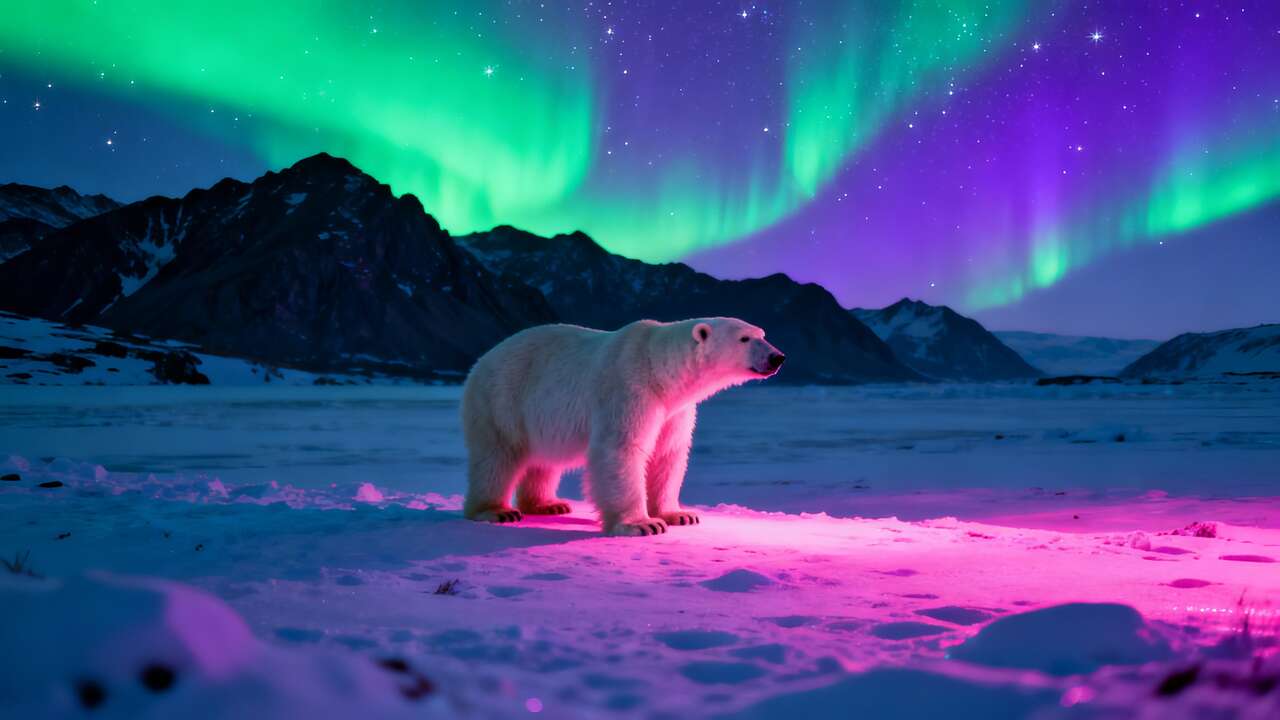

While Iceland has long captured the imagination of aurora chasers, a formidable contender lies across the Atlantic. Canada’s Yukon territory is quietly asserting itself as a premier destination, offering not only spectacular Northern Lights displays but also a rugged, untamed wilderness teeming with iconic wildlife. For travelers seeking a less-traveled path to one of nature’s greatest spectacles, this vast northern landscape presents a compelling alternative, blending celestial wonder with raw, terrestrial adventure.
Yukon: a Paradise for Northern Lights
Why Whitehorse is a Global Hotspot
The capital city of Whitehorse is strategically positioned directly beneath the Auroral Oval, a massive ring above the Earth’s geomagnetic north pole where auroras are most frequently seen. This geographical advantage means that even when solar activity is low, the chances of witnessing the lights dance across the sky are remarkably high. Unlike coastal destinations that can be prone to cloud cover, the Yukon’s interior often benefits from stable, high-pressure systems in winter, leading to a greater number of crystal-clear nights. The aurora season here is generous, stretching from late August all the way to early April, giving visitors a wide window to plan their trip.
An Accessible Wilderness
Despite its remote feel, the Yukon is surprisingly accessible. Whitehorse is serviced by an international airport, and from the city, you are only a short drive away from prime viewing locations free from light pollution. Numerous local operators offer guided tours, taking the guesswork out of finding the perfect spot. These tours often include transportation, warm drinks, and cozy shelters or yurts where you can wait in comfort for the show to begin. This combination of high viewing probability and well-established tourism infrastructure makes the Yukon an exceptionally reliable choice for an aurora-focused vacation.
This powerful celestial display is just the beginning of the Yukon’s appeal, as the experience can be enhanced by a variety of unique activities and accommodations designed to immerse you fully in the northern night.
Unique Experiences Under the Auroras
Immersive Accommodations
Imagine watching the vibrant greens and purples of the aurora borealis from the comfort of your own bed. The Yukon offers specialized accommodations built specifically for this purpose. From luxurious glass chalets with floor-to-ceiling windows to cozy, rustic cabins situated deep in the boreal forest, you can stay in places that make aurora viewing the centerpiece of your trip. Some lodges even offer wake-up calls, ensuring you never miss a display, no matter what time of night the lights appear. These stays transform a simple viewing into a truly immersive and unforgettable experience.
Cultural and Wellness Connections
The Northern Lights, or “dan gäts’än” in the Southern Tutchone language, hold deep cultural significance for the Yukon’s First Nations people. Some tours incorporate this rich heritage, sharing traditional stories and legends about the lights around a crackling campfire. For a different kind of warmth, visitors can combine their aurora hunt with a trip to the Takhini Hot Springs. Soaking in the steaming mineral water on a frigid night, with the Northern Lights swirling overhead, is a uniquely Yukon experience that connects the Earth’s geothermal energy with the sun’s celestial power.
While the skies offer a nightly spectacle, the vast landscapes below are home to some of North America’s most impressive wildlife, providing thrilling opportunities for daytime exploration.
Wildlife Viewing: polar Bears and More
The Quest for the Polar Bear
While the Yukon’s northern coast on the Beaufort Sea is home to a population of polar bears, this area is extremely remote and not typically part of aurora tourism itineraries. However, Canada remains the ultimate destination for seeing these magnificent creatures. For the definitive polar bear experience, travelers often head to Churchill, Manitoba, famously known as the “polar Bear Capital of the World.” This small town on the shores of the Hudson Bay offers unparalleled opportunities to see polar bears in their natural habitat, especially during the autumn migration. The bonus: Churchill also sits under the Auroral Oval and boasts aurora sightings up to 300 nights a year, making it possible to combine two epic Canadian experiences in one journey.
Yukon’s Diverse Fauna
The Yukon itself is a wildlife haven, offering incredible viewing opportunities beyond the elusive polar bear. The territory is home to a vast array of species, making any trip into the wilderness an exciting prospect. Key animals you might encounter include:
- Grizzly and Black Bears: Often seen in spring and summer months before they hibernate for the winter.
- Moose: These massive herbivores are a common sight along roadways and in marshy areas.
- Caribou: The territory is home to several large herds, including the famous Porcupine Caribou Herd.
- Dall Sheep: Look for their white coats against the mountainsides in places like Kluane National Park.
- Wood Bison: Herds of these majestic animals have been successfully reintroduced to the Yukon wilderness.
| Location | Primary Wildlife Focus | Aurora Viewing Potential |
|---|---|---|
| Yukon (Whitehorse Area) | Moose, Caribou, Dall Sheep | Excellent (September – March) |
| Churchill, Manitoba | Polar Bears, Beluga Whales | Excellent (January – March) |
The chance to see such incredible animals by day perfectly complements the search for auroras by night, creating a foundation for an all-encompassing northern adventure.
Adventure and Exploration Under the Northern Lights
Classic Winter Pursuits
The Yukon’s snowy landscape provides a perfect playground for a wide range of winter activities. These adventures offer a thrilling way to experience the territory’s rugged beauty during the day while you await the night’s celestial performance. Dog sledding is a quintessential northern experience, allowing you to glide silently through pristine forests led by an energetic team of huskies. For those who prefer a motorized thrill, snowmobiling offers access to vast backcountry areas, frozen lakes, and breathtaking mountain vistas. Other popular activities include snowshoeing through marked trails and ice fishing on one of the territory’s many frozen lakes.
Exploring Parks and Preserves
The Yukon is home to some of Canada’s most spectacular protected areas. Kluane National Park and Reserve, a UNESCO World Heritage Site, contains Mount Logan, Canada’s highest peak, and the world’s largest non-polar ice fields. While much of the park is inaccessible in deep winter, scenic flights offer a breathtaking perspective of its immense scale. The vast wilderness provides a stunning, dark-sky backdrop that elevates the aurora viewing experience far from any city lights. Combining these daytime adventures with nighttime sky-watching creates a complete and exhilarating Yukon itinerary.
With so many incredible experiences on offer, proper planning is essential to make the most of your trip and to stay safe and comfortable in the northern climate.
How to Prepare for a Yukon Trip
Dressing for the Arctic Cold
The single most important factor for enjoying a Yukon winter trip is staying warm. The cold can be extreme, with temperatures often dropping well below freezing. The key is layering. Your clothing system should consist of three main layers:
- A base layer of merino wool or synthetic material to wick moisture away from your skin.
- A mid-layer of fleece or down to provide insulation.
- An outer layer that is both waterproof and windproof to protect you from the elements.
In addition to these layers, insulated boots, a warm hat, a balaclava or neck gaiter, and high-quality mittens (warmer than gloves) are absolutely essential. Many tour operators offer rental packages for heavy-duty winter gear, which can be a convenient and cost-effective option.
Essential Gear and Booking Tips
To capture the Northern Lights, you will need a camera with manual settings, a sturdy tripod, and extra batteries, as the cold drains them quickly. It is also wise to book your flights, accommodations, and tours well in advance, especially if you plan to travel during peak season or holidays. Tip: choose accommodations outside the city center to minimize light pollution for better aurora viewing right from your doorstep. Being well-prepared ensures you can focus on the magic of the moment rather than worrying about logistics or the cold.
Careful preparation includes choosing not just what to bring, but also when to go, as timing is critical for maximizing your chances of seeing the lights.
The Best Times to See the Northern Lights
Understanding the Aurora Season
The Northern Lights are technically active year-round, but they are only visible when the sky is dark. In the Yukon, this means the viewing season runs from late August, when darkness returns after the midnight sun of summer, until early April. The peak viewing months are from September through March. Within this window, the period from January to March is often considered ideal. This is because the weather is typically colder and drier, leading to more frequent clear skies, and the long, dark nights provide maximum viewing opportunities.
Key Factors for a Successful Sighting
Beyond choosing the right time of year, three factors must align for a successful aurora sighting: darkness, clear skies, and solar activity. To ensure maximum darkness, plan your trip around the new moon, as a bright full moon can wash out the fainter details of the aurora. Weather is unpredictable, but checking local forecasts can help you plan your nights. Finally, geomagnetic activity, measured by the KP index, dictates the intensity of the display. While a higher KP index promises a more spectacular show, the Yukon’s position is so favorable that auroras are often visible even with a KP index as low as 1 or 2.
| Factor | Optimal Condition | Why it Matters |
|---|---|---|
| Time of Year | September – March | Ensures sufficient hours of darkness. |
| Lunar Cycle | New Moon Phase | Minimizes natural light pollution in the sky. |
| Weather | Clear, Cloudless Skies | Clouds will obstruct the view of the aurora. |
| Geomagnetic Activity | KP Index of 2+ | Indicates sufficient solar wind to create a visible display. |
By aligning these factors, you give yourself the best possible odds of witnessing one of the world’s most enchanting natural phenomena.
The Yukon offers a compelling and robust alternative for anyone dreaming of the Northern Lights. Its prime location under the Auroral Oval ensures frequent and spectacular displays, while the surrounding wilderness provides a stunning backdrop for adventure. From unique cultural experiences and comfortable viewing lodges to the thrill of dog sledding and wildlife spotting, the territory delivers a comprehensive northern experience that extends far beyond the night sky. It stands as a powerful reminder that some of the world’s greatest wonders are found on the paths less traveled.

- This Central American country is the new Costa Rica - 1 November 2025
- This “floating” sauna in a Norwegian fjord is the ultimate Scandi experience - 1 November 2025
- Why this small US town is the “Christmas Capital” of America - 1 November 2025
Pubblicazioni simili :
 Discover the Majestic Mountains in Texas That Will Change Your Autumn Adventures
 Explore the Haunting Beauty and Unforgettable Adventure of America’s Loneliest Road in Autumn
 Experience the Freshest Lobster Straight from the Boat in This Quaint Maine Fishing Village
 Discover Florida’s Crystal-Clear Springs: a Hidden Paradise Beyond the Beaches